Puccho (ぷっちょ Putcho) is a chewy Japanese snack made and sold by UHA Mikakutō Co. Ltd. (味覚糖株式会社 UHA Mikakutō Kabushiki Gaisha, UHA – Unique Human Adventure). The gummi puccho squares are a unique consistency similar to a combination of gummy bears and taffy. They often contain gummy “balls” of flavor that are more chewy then the rest of the square. In addition to these balls, there are also “fizz” balls that mimic the carbonation of their soda derivatives.
AKB48 is a Japanese female idol group produced by Yasushi Akimoto. AKB48 is named after Akihabara (Akiba for short), the area in Tokyo where the group’s own theater is located. AKB48 holds the Guinness World Record for being the world’s “largest pop group”. Currently, it consists of four subgroups: Team A, Team K, Team B, and Team 4 with 16 members each, summing up to a total of 64 girls.
The “lesbian kiss episode” is a sub-genre of the media portrayal of lesbianism in television media, created in the 1990s.
Sapporo Ichiban (サッポロ一番) is a brand of instant noodles (most of them ramen) made by Sanyo Foods, and rivals to other Japanese ramen brands like Nissin and Maruchan.
Sapporo (札幌市 Sapporo-shi) is the fifth-largest city in Japan by population, and the largest city on the island of Hokkaido. From the year 1966, a food company named Sanyo Foods began to sell instant ramen under the brand name “Sapporo Ichiban”.
Instant noodles are often criticized as unhealthy or junk food. A single serving of instant noodles is high in carbohydrates but low in fiber, vitamins and minerals. Noodles are typically fried as part of the manufacturing process, resulting in high levels of saturated fat and/or trans fat.
E Mobile is a cell phone operator in Japan offering 3G/HSPA data services. As they used to offer only data service, they were not widely known, but now after teaming up with NTT docomo to offer voice service, they are becoming more popular.
Tomomi Itano (板野 友美 Itano Tomomi, born July 3, 1991) is a member of the Japanese idol group AKB48, as well as a soloist.
In Japanese culture, idols (アイドル aidoru) are (usually female) media personalities in their teens and early twenties who are considered particularly attractive or cute and who will, for a period ranging from several months to a few years, regularly appear in the mass media, e.g. as singers for pop groups, bit-part actors, TV personalities (tarento), models in photo spreads published in magazines, advertisements, etc.
A gang signal is a visual or verbal way gang members identify their affiliation. This can take many forms including slogans, tattoos or hand signs. Many of these, especially slogans and hand signs, have become part of popular culture.
[Akihabara] is frequently shortened to Akiba (アキバ) in Japan. [It] is a major shopping area for electronic, computer, anime, and otaku goods, including new and used items.
Moe (萌え) is a Japanese slang word. It means “a rarefied pseudo-love for certain fictional characters (in anime, manga, and the like) and their related embodiments.”
Boss (ボス Bosu) is a brand name of canned and plastic bottled coffee and coffee-flavored beverages sold by Suntory in Japan. It was released in 1992 and is one of many brands of Japanese Canned Coffee.
Tommy Lee Jones (born September 15, 1946) is an American actor and film director. Jones has been a spokesperson for Japanese brewing company Suntory since 2006. He can be seen in various Japanese TV commercials of Suntory’s Coffee brand Boss as a character called “Alien Jones,” an extraterrestrial who takes the form of a human being to check on the world of humans.
Omurice, sometimes spelled “omu-rice” (Japanese: オムライス, Omu-raisu), is an example of contemporary Japanese fusion cuisine consisting of an omelette made with fried rice and usually topped with ketchup.
Hanami (花見, lit. “flower viewing”) is the Japanese traditional custom of enjoying the beauty of flowers, “flower” in this case almost always meaning cherry blossoms or ume blossoms. From the end of March to early May, sakura bloom all over Japan, and around the first of February on the island of Okinawa.
Green tea (緑茶 Ryokucha) is ubiquitous in Japan and therefore is more commonly known simply as “tea” (お茶 ocha).
On July 14, 2009, Kirin announced that it is negotiating with Suntory on a merger. On February 8, 2010, it was announced that negotiations between the two were terminated.
Subaru (スバル) is the automobile manufacturing division of Japanese transportation conglomerate Fuji Heavy Industries (FHI).
A sumo wrestler leads a highly regimented way of life. The Sumo Association prescribes the behavior of its wrestlers in some detail. For example, in the wake of a serious car accident involving a wrestler the Association banned wrestlers from driving their own cars.
The Subaru Forester is an all-wheel drive station wagon, now crossover, manufactured since 1997 by Subaru. The Forester was designed and built with four-wheel drive (AWD) as standard equipment.
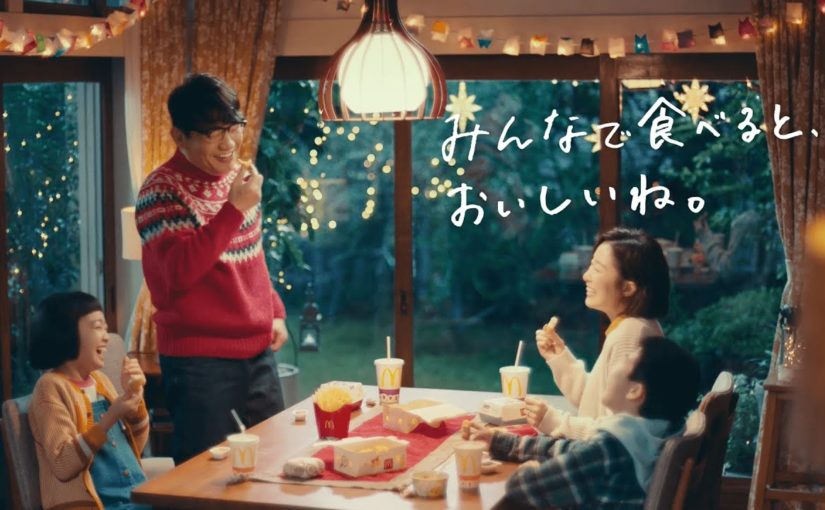
Encouraged by the commercial sector, the secular celebration of Christmas is popular in Japan, though Christmas is not a national holiday. Gifts are exchanged and children’s presents are left next to their pillow at night. Christmas parties are held on and around Christmas Day; the Japanese type of Christmas cake is often a white whipped cream cake with strawberries.
The most famous dessert made with shortcake is strawberry shortcake. Japanese-style strawberry shortcakes use a sponge cake base, and are a favorite Christmas or birthday cake in Japan.
[McDonald's] McFlurry is a vanilla ice cream dessert that has pieces of candy, fruit or cookies mixed into it.
The Shinkansen (新幹線, new main line), also known as the bullet train, is a network of high-speed railway lines in Japan operated by four Japan Railways Group companies. The popular English name bullet train is a literal translation of the Japanese term dangan ressha (弾丸列車), a nickname given to the project while it was initially being discussed in the 1930s.
The Tōhoku Shinkansen (東北新幹線) is a Japanese high-speed Shinkansen rail line, connecting Tokyo with Aomori in Aomori Prefecture for a total length of 674 km, Japan’s longest Shinkansen line. [On] December 4, 2010 the extension from Hachinohe to Shin-Aomori opens.
Aomori (青森市, Aomori-shi) is the capital city of Aomori Prefecture, in the northern Tōhoku region of Japan. Aomori literally means blue forest. The name is generally considered to refer to a small forest on a hill which existed near the town.
(うなぎ) is the Japanese word for freshwater eels, especially the Japanese eel, Anguilla japonica. Unagi is often eaten during the hot summers in Japan. There is even a special day for eating unagi, the midsummer day of the Ox (doyo no ushi no hi).
Kabayaki (蒲焼) is a generic Japanese term for a dish of seafood which is filleted, boned and dipped in a sweet soy sauce-base sauce before broiled on a grill. In general, kabayaki refers to the dish made with unagi.
Hokka Hokka Tei (ほっかほっか亭) is a bento take-out chain with over 2,000 franchises and company-owned branches throughout Japan. Hokka Hokka Tei [was] the major brand name of Plenus Co., Ltd., which used to be engaged in office equipment sales before it changed industries to the food industry in 1980 [and then in 2008 split from Hokka Hokka Tei to form the HottoMotto bento chain in 2005.]
Taiko (太鼓) means “drum” in Japanese (etymologically “great” or “wide drum”). Outside Japan, the word is often used to refer to any of the various Japanese drums (和太鼓, wa-daiko, “Japanese drum”, in Japanese) and to the relatively recent art-form of ensemble taiko drumming (sometimes called more specifically, kumi-daiko (組太鼓)).